[작성자:] ciklux

  • Building Exergames from Walking and Running Data — The Elegaiter SDK Guide

    Building Exergames from Walking and Running Data — The Elegaiter SDK Guide

    The idea behind an exergame is always appealing: the player actually moves, and that movement means something inside the game. The hard part was never the idea — it’s deciding what will read the movement.

    Where the usual approaches stall

    When a team tries to turn a player’s gait into game input, they usually stop at one of two options.

    • Camera-based motion capture — sensitive to space and lighting, and the player has to stay inside the frame. Privacy concerns follow.
    • Wearable sensors — accurate, but the player has to put them on every time. Forget them, or let the battery die, and there’s no session that day.

    Both share the same problem: you have to solve hardware before you can build a game. Resources meant for content drain into sensor tuning.

    A different angle: what the treadmill already knows

    Elegaiter takes its signal from the equipment rather than the player.

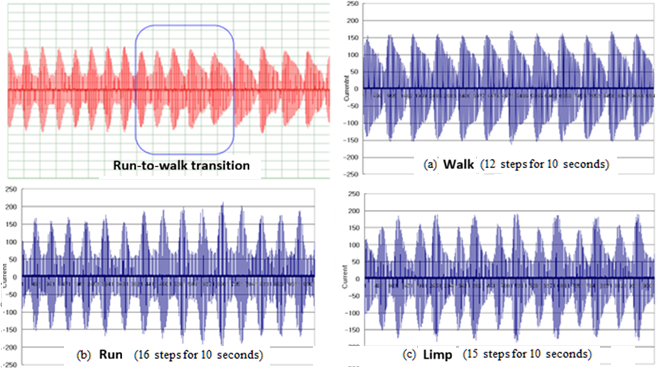
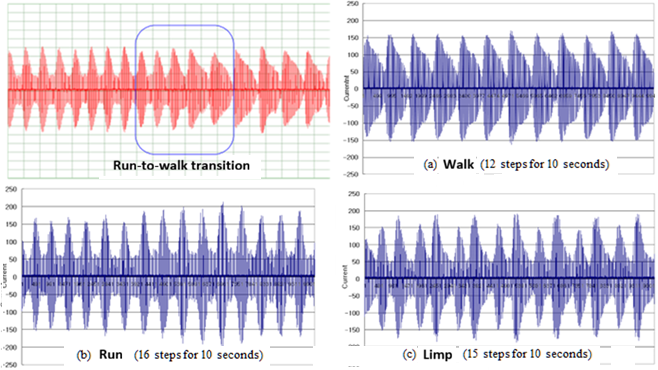
    Each time a foot lands on the belt it creates resistance, and the motor momentarily draws more power to overcome it. Every step leaves a trace in the power consumption waveform. The JAWS adapter measures that current pattern in real time, and the analysis engine converts it into gait data.

    From a development standpoint, that yields three things.

    • The player wears nothing — onboarding friction disappears.
    • No camera, no lighting requirements — you’re free of installation variables.
    • Any treadmill that runs on electricity works — no lock-in to a specific manufacturer’s hardware.

    What the SDK gives you

    Elegaiter provides native SDKs for Android (Kotlin) and iOS. Once integrated, your app can work with gait information in real time:

    • Gait type — walking versus running
    • Left-right balance — relative weighting between feet
    • Cadence — steps per minute
    • Gait stability — step-to-step variation (Median / IQR based)

    These values arrive in a form you can feed directly into game logic as input signals.

    Integration flow

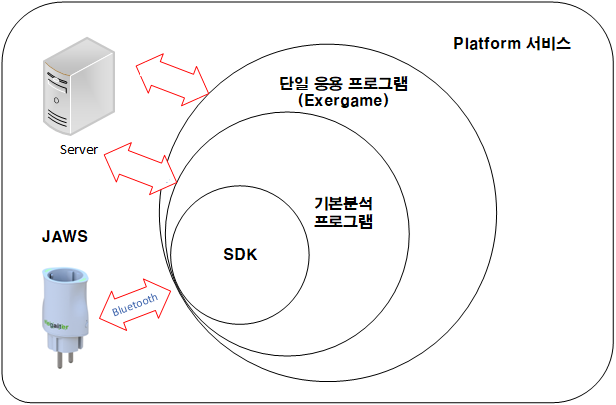
    1. Device connection — the SDK pairs with the JAWS adapter over Bluetooth 5.2.
    2. Real-time data — once the player starts walking, gait data streams into the app.
    3. Game logic — map the incoming values to character movement, speed, event triggers, or whatever your design calls for.

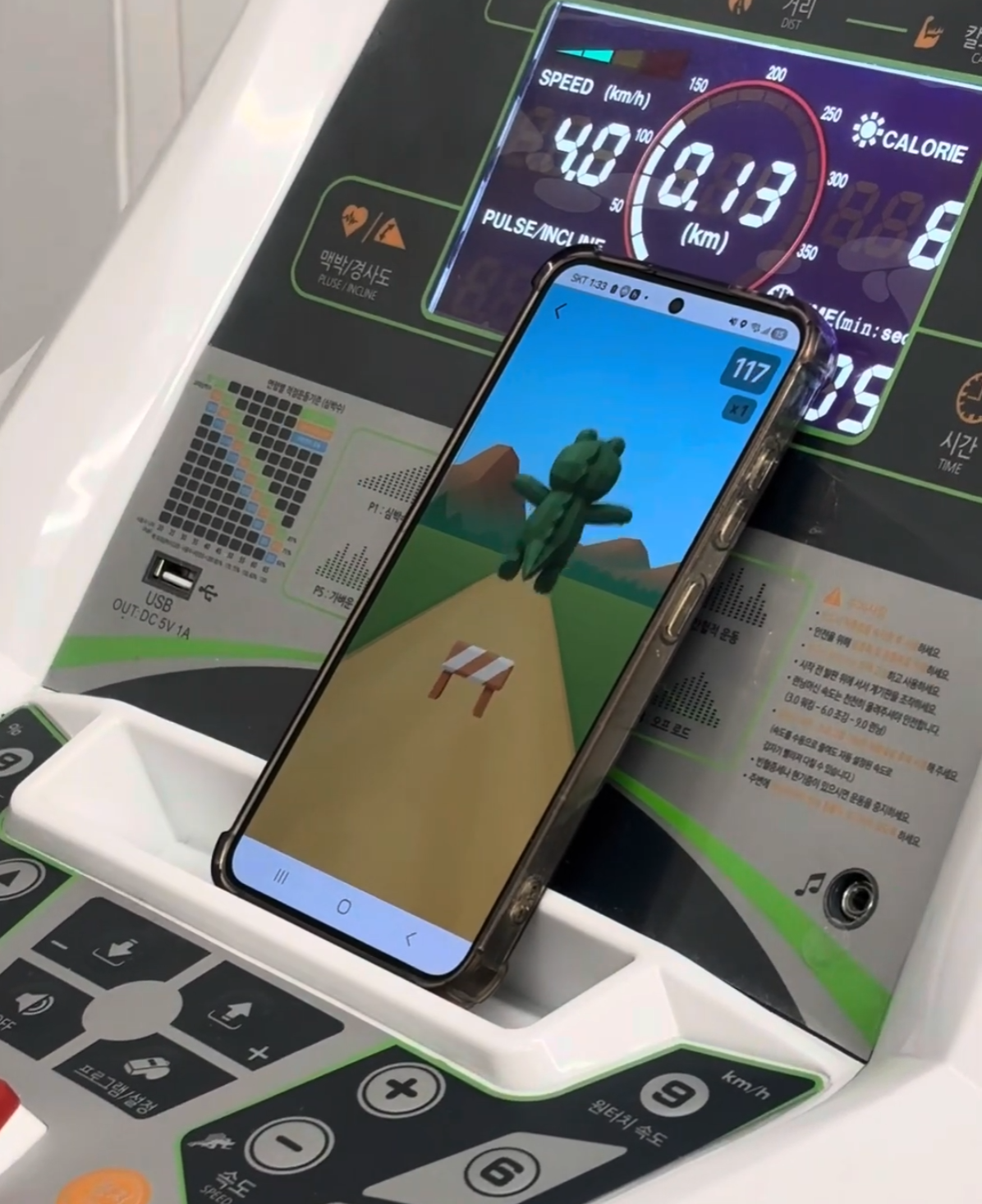
    The SDK ships with a working sample app that implements this flow end to end. Instead of building from documentation alone, you can run real code and lift the parts you need into your own project.

    What you could build

    Treating gait as game input, a few mappings suggest themselves naturally.

    • Speed as progression — tie the walk/run transition to character velocity or the tension of a chase sequence.
    • Balance as steering — map shifts in left-right weighting to lane changes or dodge actions.
    • Cadence as rhythm — use step rhythm as the beat in a music game or as a combo-sustaining condition.
    • Stability as accuracy — reflect step consistency in scoring or precision judgments.

    A service interface for linking treadmill gait data to metaverse content — physical games and virtual tours — was already proposed and presented in a paper at HCIK 2023.

    Getting started

    Elegaiter’s core business strategy is to supply its underlying technology to partners who know their domain best, rather than building every end service itself. In games and content, we believe the experience a specialized studio creates will be better than anything we would build.

    If you’d like a technical review or a joint PoC, you can find the partnership paths below.

    Elegaiter Partners — Connect to your service →


    ※ This product is not a medical device and is not intended to diagnose, treat, cure, or prevent any disease.
  • 걷기·뛰기 데이터로 엑서게임 만들기 — Elegaiter SDK 가이드

    걷기·뛰기 데이터로 엑서게임 만들기 — Elegaiter SDK 가이드

    엑서게임(Exergame)의 아이디어는 늘 매력적입니다. 플레이어가 실제로 몸을 움직이고, 그 움직임이 게임 안에서 의미를 갖는 경험. 문제는 아이디어가 아니라 움직임을 무엇으로 읽어낼 것인가입니다.

    기존 방식의 벽

    플레이어의 보행을 게임 입력으로 쓰려고 할 때, 개발팀은 대개 두 가지 선택지 앞에서 멈춥니다.

    • 카메라 기반 동작 인식 — 설치 공간과 조명 조건에 민감하고, 플레이어가 카메라 화각 안에 머물러야 합니다. 프라이버시 이슈도 따라옵니다.
    • 웨어러블 센서 — 정확도는 확보되지만 플레이어가 매번 착용해야 합니다. 착용을 잊거나 배터리가 없으면 그날의 플레이는 없습니다.

    둘 다 게임을 만들기 전에 하드웨어 문제부터 풀어야 한다는 공통점이 있습니다. 콘텐츠에 쓸 리소스가 센서 튜닝으로 흘러갑니다.

    다른 접근: 트레드밀이 이미 알고 있는 것

    Elegaiter는 플레이어가 아니라 장비 쪽에서 신호를 얻습니다.

    사람이 트레드밀 위에서 발을 디딜 때마다 벨트에 저항이 걸리고, 모터는 이를 이겨내려 순간적으로 전력을 더 끌어옵니다. 즉 걸음마다 전력 소비 파형에 흔적이 남습니다. JAWS 어댑터는 이 전류 패턴을 실시간으로 측정하고, 분석 엔진이 보행 데이터로 변환합니다.

    결과적으로 개발 관점에서 다음이 성립합니다.

    • 플레이어는 아무것도 착용하지 않습니다 — 온보딩 마찰이 사라집니다.
    • 카메라도, 조명 조건도 필요 없습니다 — 설치 환경 변수에서 자유롭습니다.
    • 전기를 쓰는 트레드밀이면 기종을 가리지 않습니다 — 특정 제조사 장비에 종속되지 않습니다.

    SDK로 받을 수 있는 데이터

    Elegaiter는 Android(Kotlin)와 iOS 네이티브 SDK를 제공합니다. SDK를 앱에 통합하면 다음과 같은 보행 정보를 실시간으로 다룰 수 있습니다.

    • 보행 유형 — 걷기와 뛰기의 구분
    • 좌우 밸런스 — 왼발·오른발의 상대적 비중
    • 케이던스 — 분당 보행 수
    • 보행 안정성 — 걸음 간 변동 폭(Median / IQR 기반)

    이 값들은 게임 로직에서 그대로 입력 신호로 쓸 수 있는 형태로 전달됩니다.

    통합 흐름

    1. 디바이스 연결 — SDK가 Bluetooth 5.2로 JAWS 어댑터와 페어링합니다.
    2. 실시간 데이터 수신 — 플레이어가 걷기 시작하면 보행 데이터가 앱으로 전달됩니다.
    3. 게임 로직 연동 — 수신한 값을 캐릭터 이동·속도·이벤트 트리거 등 원하는 방식으로 매핑합니다.

    SDK에는 이 흐름을 실제로 구현해 동작하는 샘플 앱이 함께 제공됩니다. 문서만 보고 처음부터 만드는 대신, 동작하는 코드를 실행해보고 필요한 부분을 자사 프로젝트로 가져가는 방식으로 시작할 수 있습니다.

    어떤 게임을 만들 수 있을까요

    보행 데이터를 게임 입력으로 볼 때, 몇 가지 매핑이 자연스럽게 떠오릅니다.

    • 속도를 진행도로 — 걷기/뛰기 전환을 캐릭터의 이동 속도나 추격 장면의 긴장도로 연결
    • 좌우 밸런스를 방향 조작으로 — 좌우 비중의 변화를 레인 이동이나 회피 동작으로 매핑
    • 케이던스를 리듬 요소로 — 걸음 리듬을 음악 게임의 박자나 콤보 유지 조건으로 활용
    • 안정성을 정확도 지표로 — 걸음의 일관성을 점수·정확도 판정에 반영

    트레드밀 보행 데이터를 메타버스 콘텐츠(피지컬 게임, 가상 투어)와 실시간 연동하는 서비스 인터페이스 구조는 HCIK 2023 학술대회 논문을 통해 이미 제안·발표된 바 있습니다.

    시작하기

    Elegaiter는 원천기술을 직접 최종 서비스로 만들기보다, 각 분야를 가장 잘 아는 파트너에게 기술을 공급하는 것을 기본 사업전략으로 합니다. 게임·콘텐츠 영역이라면 개발사가 만드는 최종 경험이 우리보다 나을 것이라고 생각합니다.

    기술 검토나 공동 PoC를 원하시면 아래에서 협력 경로를 확인하실 수 있습니다.

    Elegaiter 기술 협력 — 서비스에 연결하기 →


    ※ 본 제품은 의료기기가 아니며, 질병의 진단·치료·치유 또는 예방을 목적으로 하지 않습니다.

  • How to Check Your Gait Balance at Home

    How to Check Your Gait Balance at Home

    We take thousands of steps a day. Yet almost none of us has actually looked at our own walking.

    The thought surfaces occasionally — one shoe sole wearing down faster than the other, the same leg always tiring first on long walks, or someone mentioning in passing that your gait looks a little uneven. But when you try to check, there’s no obvious way to do it.

    Why gait is hard to observe on your own

    Because walking is a movement that only stays natural when you aren’t thinking about it.

    The moment you ask “how am I walking right now?”, you’re already walking differently. Mirrors don’t help. Neither do videos. The act of observing changes the result. On top of that, left-right differences are usually small enough that the eye misses them entirely.

    To see your gait, you need something that records while you walk without thinking about it.

    Gait indicators you can see at home

    Connect the JAWS adapter to your treadmill and walk as usual. The following indicators are recorded — nothing to wear, nothing to pay attention to.

    Left-right balance

    Shows the relative weight each foot places on the surface. Nobody is perfectly symmetrical, and what matters is not perfect symmetry but knowing your own usual pattern.

    Gait stability (Median / IQR)

    Presents step-to-step variation statistically. The median reflects your typical walking pattern; the interquartile range (IQR) reflects how much your steps vary. A narrower range means more consistent steps.

    Cadence

    Steps per minute. Even at the same speed, stride length and rhythm differ from person to person, so knowing your own baseline is useful.

    Gait type and heatmap

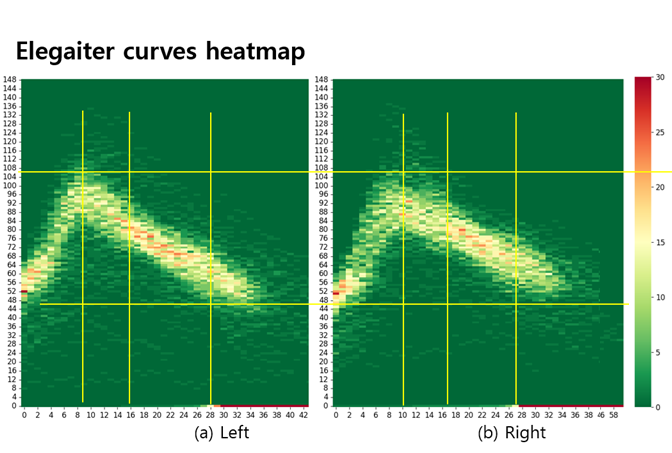
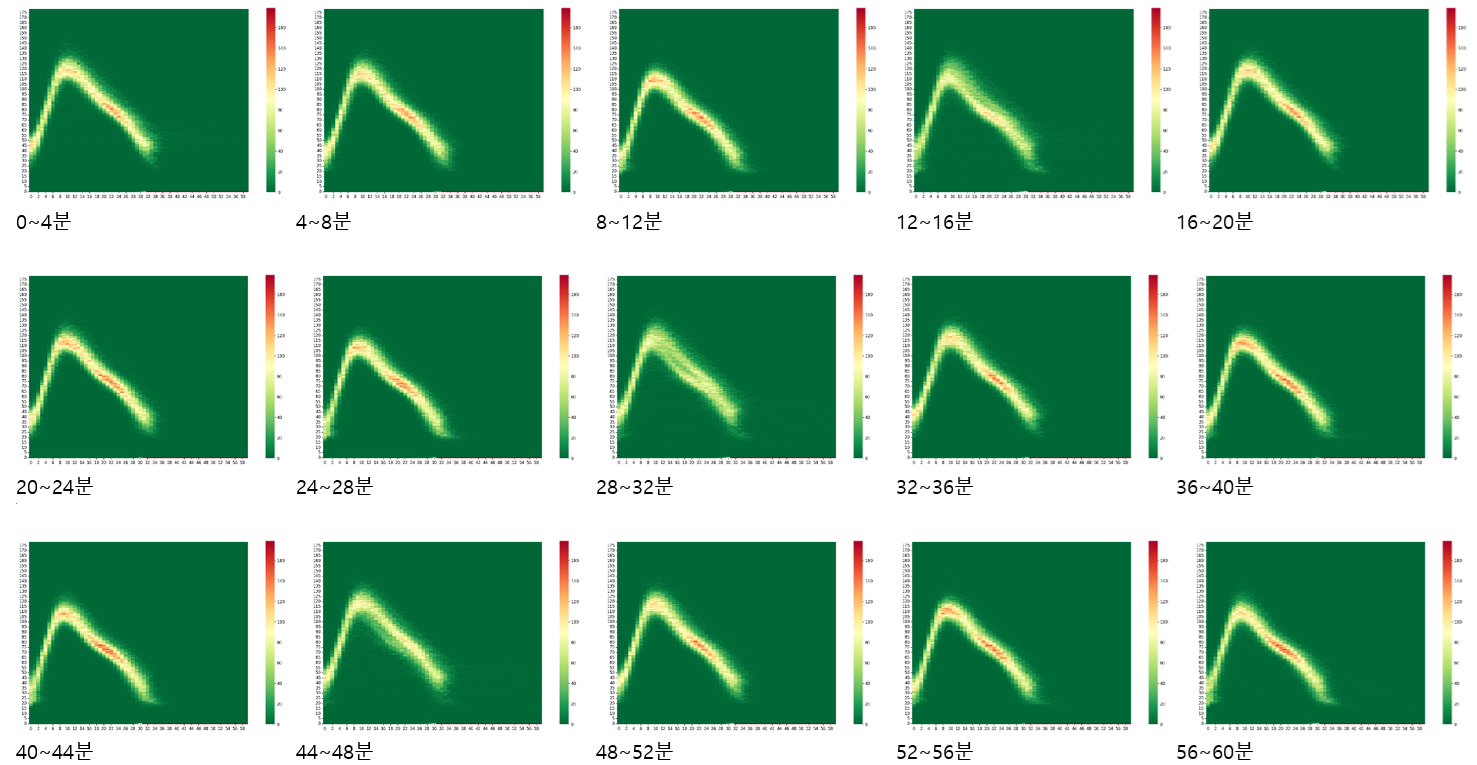
    Walking and running are recorded separately, and pressure distribution across gait phases is visualized as a heatmap.

    How to read these indicators

    Here is the most important point.

    These indicators are not a line between “normal” and “abnormal.” Gait naturally varies with body type, age, footwear, exercise habits and how you feel that day. No single number by itself means something is wrong.

    Instead, we suggest using them this way.

    • Watch trends, not absolute values. Change across several weeks tells you far more than a single session.
    • Compare yourself to yourself, not to others. Your baseline is your own past, not someone else’s average.
    • Pay attention to shifts in left-right deviation. The question worth watching isn’t whether a difference exists, but whether it’s widening.

    When you notice a change

    As records accumulate, you may see periods where left-right deviation grows beyond your usual range, or where step variation shifts noticeably. In that case, consider the following.

    • Check everyday factors first. New shoes, long hours seated, a recent change in training volume, or accumulated fatigue all affect how you walk.
    • Add stretching and balance work. The Elegaiter app suggests stretches and exercises based on your recorded patterns.
    • See a professional if discomfort accompanies it. If pain, numbness or persistent discomfort is present, consult an orthopedic or rehabilitation specialist rather than interpreting the data on your own. Your recorded history can serve as useful reference material during that consultation.

    Turning daily walking into recorded walking

    Without booking a special assessment, you can build a record of your own gait while doing the exercise you already do. What matters isn’t one measurement — it’s your own data, accumulating steadily.

    See the full list of Elegaiter gait metrics →


    ※ Medical notice
    This article and the data Elegaiter provides are not a medical diagnosis and are offered for reference only. Elegaiter JAWS and related services are not medical devices and are not intended to diagnose, treat, cure, or prevent any disease. The data provided cannot replace professional medical advice. If you have health concerns, please consult a qualified healthcare professional.

  • 내 보행 밸런스, 집에서 이렇게 확인해보세요

    내 보행 밸런스, 집에서 이렇게 확인해보세요

    우리는 하루에 수천 걸음을 걷습니다. 그런데 정작 자기 걸음을 직접 들여다본 경험은 거의 없습니다.

    가끔 이런 생각이 들 때가 있습니다. 한쪽 신발 밑창만 유독 빨리 닳거나, 오래 걸으면 늘 같은 쪽 다리만 먼저 뻐근하거나, 누군가 “걸음이 좀 기울었다”고 지나가듯 말했을 때 말입니다. 그런데 막상 확인하려고 하면 방법이 마땅치 않습니다.

    걸음은 왜 스스로 관찰하기 어려울까요

    걷기는 의식하지 않아야 자연스러운 동작이기 때문입니다.

    “내가 어떻게 걷고 있지?”라고 생각하는 순간, 이미 평소와 다르게 걷게 됩니다. 거울 앞에서 걸어봐도, 영상을 찍어봐도, 관찰하려는 의식 자체가 결과를 바꿔버립니다. 게다가 좌우 차이는 대개 작아서 눈으로는 잘 보이지 않습니다.

    그래서 걸음을 보려면 의식하지 않고 걷는 동안, 자동으로 기록되는 방식이 필요합니다.

    집에서 볼 수 있는 보행 지표들

    트레드밀에 JAWS 어댑터를 연결하고 평소처럼 걸으면, 다음 지표들이 기록됩니다. 몸에 무언가를 착용하거나 특별히 신경 쓸 것은 없습니다.

    좌우 균형

    왼발과 오른발이 각각 어떤 비중으로 지면을 딛고 있는지 보여줍니다. 사람은 누구나 좌우가 완전히 같지 않으며, 중요한 것은 완벽한 대칭이 아니라 내 평소 패턴이 어떤가입니다.

    보행 안정성 (Median / IQR)

    걸음마다의 편차를 통계적으로 보여줍니다. 중앙값(Median)은 나의 일반적인 보행 패턴을, 사분위 범위(IQR)는 걸음 간 변동 폭을 나타냅니다. 변동 폭이 작을수록 걸음이 일정하다는 의미입니다.

    분당 보행 수 (케이던스)

    1분에 몇 걸음을 걷는지입니다. 같은 속도에서도 사람마다 보폭과 리듬이 다르기 때문에, 자신의 기준선을 아는 것이 도움이 됩니다.

    보행 유형과 히트맵

    걷기와 뛰기가 구분되어 기록되고, 보행 단계별 압력 분포가 히트맵으로 시각화됩니다.

    지표를 어떻게 읽어야 할까요

    여기서 가장 중요한 점을 짚고 넘어가겠습니다.

    이 지표들은 “정상”과 “비정상”을 가르는 기준이 아닙니다. 보행은 체형·나이·신발·운동 습관·그날의 컨디션에 따라 자연스럽게 달라지며, 어떤 수치가 곧바로 문제를 의미하지는 않습니다.

    대신 이렇게 활용하시는 것을 권합니다.

    • 절대값이 아니라 추이를 봅니다. 오늘 한 번의 수치보다, 몇 주에 걸친 변화가 더 많은 것을 알려줍니다.
    • 남과 비교하지 않고 나와 비교합니다. 기준선은 타인의 평균이 아니라 평소의 자신입니다.
    • 좌우 편차의 변화에 주목합니다. 원래 있던 좌우 차이보다, 그 차이가 점점 벌어지는지 여부가 관찰할 만한 지점입니다.

    변화가 보일 때 할 수 있는 것

    기록을 쌓다 보면 좌우 편차가 평소보다 커지거나, 걸음의 변동 폭이 눈에 띄게 달라지는 시기가 보일 수 있습니다. 그럴 때는 다음을 고려해볼 수 있습니다.

    • 생활 요인부터 점검합니다. 새 신발, 장시간 앉은 자세, 최근의 운동량 변화, 피로 누적 같은 것들이 걸음에 영향을 줍니다.
    • 균형을 위한 스트레칭과 운동을 병행합니다. Elegaiter 앱은 기록된 패턴에 맞춰 스트레칭·운동을 안내합니다.
    • 불편감이 함께 있다면 전문가와 상담합니다. 통증·저림·지속적인 불편함이 동반된다면, 데이터를 혼자 해석하기보다 정형외과나 재활의학과 전문의의 진료를 받으시길 권합니다. 기록해둔 데이터는 상담 시 참고 자료로 활용하실 수 있습니다.

    매일 하는 걷기를, 기록되는 걷기로

    특별한 검사를 받으러 가지 않아도, 이미 하고 있는 운동을 그대로 하면서 자기 걸음의 기록을 남길 수 있습니다. 중요한 것은 한 번의 측정이 아니라 꾸준히 쌓이는 나만의 데이터입니다.

    Elegaiter 분석 지표 자세히 보기 →


    ※ 의료 관련 안내
    본 콘텐츠와 Elegaiter가 제공하는 데이터는 의료적 진단이 아니며, 참고용 정보입니다. Elegaiter JAWS 및 관련 서비스는 의료기기가 아니며, 질병의 진단·치료·치유 또는 예방을 목적으로 하지 않습니다. 제공되는 데이터는 전문적인 의학적 조언을 대체할 수 없으며, 건강상 우려가 있으시다면 반드시 의료 전문가와 상담하시기 바랍니다.

  • How to Turn the Treadmill You Already Own Into a Game

    How to Turn the Treadmill You Already Own Into a Game

    Everyone pictures the same thing when they buy a home treadmill. Thirty minutes a day, rain or shine, no gym commute. A few weeks later, that treadmill is often holding laundry.

    It usually isn’t a willpower problem. Indoor walking has a structural reason for being boring.

    Why treadmills feel so dull

    Thirty minutes outdoors and thirty minutes on a treadmill ask similar things of your body, but they are completely different experiences for your brain.

    • The scenery never changes. Outside, simply moving forward changes what you see. Indoors, you look at the same wall for half an hour.
    • There is no feedback. The console shows time, distance and calories — but that only tells you how long you endured, never how you are actually walking.
    • Time is the only goal. When the only thing to achieve is filling thirty minutes, all that’s left is counting down.

    In short, a treadmill delivers the exercise but leaves the experience empty. So does fixing that require buying new equipment?

    Solving it without replacing anything

    You could upgrade to a premium treadmill with a built-in smart display. But spending thousands again when a perfectly good machine is already sitting at home is hard to justify.

    Elegaiter took a different route: leave the treadmill alone and place a small adapter between it and the wall outlet.

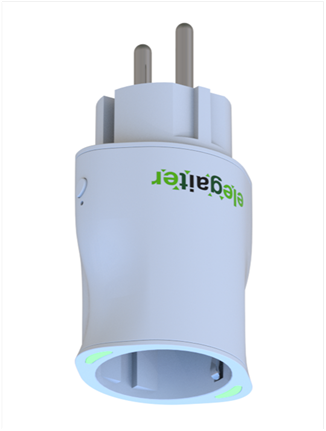
    The JAWS sensing device

    • Size and weight: 50 × 50 × 85 mm, 75 g — an adapter that fits in your palm
    • Connectivity: Bluetooth 5.2 to your smartphone app
    • Compatibility: any treadmill that runs on electricity, regardless of brand or model year. If it plugs into an outlet, it works.

    Nothing to strap to your body, no mats to lay down, no cameras to install. Setup ends when the adapter sits between the treadmill and the outlet.

    How it reads your steps

    Every time a foot lands on the belt, it creates a small amount of resistance. The motor momentarily draws more power to overcome it. In other words, every footfall leaves a trace in the power consumption waveform.

    JAWS measures those current-pattern changes in real time, and the analysis engine converts them into gait data. That’s why nothing needs to be worn for your steps to be recorded.

    This isn’t a concept sketch — the approach is backed by a registered US patent (US 12,117,470 B2), five registered Korean patents, and peer-reviewed KCI papers.

    What actually changes

    Once steps become data, thirty minutes on the treadmill unfolds differently.

    • You can see your own walking. Left-right balance, step consistency and cadence appear in real time. Instead of counting minutes, you watch your movement.
    • History accumulates. Yesterday against today, last week against this week. Visible change is a reason to keep going.
    • Steps become input. Walking and running are recognized separately, so your stride itself can drive content.

    Getting started

    1. Connect — place JAWS between the treadmill’s plug and the outlet.
    2. Pair — open the smartphone app and register the device over Bluetooth.
    3. Walk — just walk as usual. Data records itself with no extra input.

    You can use the treadmill you already own differently, starting today, without replacing it.

    Explore the JAWS product lineup →


    ※ This product is not a medical device and is not intended to diagnose, treat, cure, or prevent any disease.
  • 집에 있는 러닝머신, 게임기로 바꾸는 방법

    집에 있는 러닝머신, 게임기로 바꾸는 방법

    집에 러닝머신을 들여놓을 때는 누구나 비슷한 그림을 그립니다. 날씨와 상관없이, 시간에 구애받지 않고, 매일 30분씩. 그런데 몇 주가 지나면 그 자리에 빨래가 걸려 있는 경우가 적지 않습니다.

    의지가 부족해서가 아닙니다. 실내에서 하는 걷기 운동에는 구조적으로 지루할 수밖에 없는 이유가 있습니다.

    왜 러닝머신은 유독 지루할까요

    바깥에서 걷는 30분과 러닝머신 위에서의 30분은 몸이 하는 일은 비슷해도 뇌가 받아들이는 경험은 전혀 다릅니다.

    • 풍경이 바뀌지 않습니다. 밖에서는 걷는 것만으로 시야가 계속 변하지만, 실내에서는 같은 벽을 30분간 봅니다.
    • 피드백이 없습니다. 화면에 시간·거리·칼로리는 뜨지만, 그건 “얼마나 오래 버텼는지”일 뿐 어떻게 걷고 있는지는 알려주지 않습니다.
    • 목표가 시간뿐입니다. 30분을 채우는 것 말고 달성할 것이 없으면, 남은 시간을 세는 일만 남습니다.

    정리하면, 러닝머신은 운동은 되지만 경험이 비어 있는 장비입니다. 그렇다면 이 빈자리를 채우기 위해 새 장비를 사야 할까요?

    장비를 바꾸지 않고 해결하는 방법

    스마트 디스플레이가 달린 고급 트레드밀로 교체하는 것도 방법이지만, 이미 멀쩡한 장비가 집에 있는데 수백만 원을 다시 쓰는 건 합리적이지 않습니다.

    Elegaiter는 다른 접근을 택했습니다. 트레드밀은 그대로 두고, 전원 플러그 사이에 작은 어댑터 하나를 끼우는 방식입니다.

    JAWS 센싱 디바이스

    • 크기·무게: 50 × 50 × 85 mm, 75 g — 손바닥에 들어가는 어댑터형
    • 연결: Bluetooth 5.2로 스마트폰 앱과 통신
    • 호환성: 전기를 사용하는 트레드밀이라면 기종을 가리지 않습니다. 브랜드나 연식과 무관하게, 콘센트에 연결하는 제품이면 됩니다.

    별도의 센서를 몸에 붙이거나, 발판을 깔거나, 카메라를 설치할 필요가 없습니다. 트레드밀과 콘센트 사이에 어댑터를 끼우는 것으로 준비가 끝납니다.

    어떤 원리로 걸음을 읽어낼까요

    사람이 트레드밀 위에서 발을 디딜 때마다 벨트에는 미세한 저항이 걸립니다. 모터는 이 저항을 이겨내기 위해 순간적으로 더 많은 전력을 끌어옵니다. 즉 발을 디디는 순간마다 전력 소비 파형에 흔적이 남습니다.

    JAWS는 이 전류 패턴의 변화를 실시간으로 측정하고, 분석 엔진이 이를 보행 데이터로 변환합니다. 몸에 아무것도 착용하지 않아도 걸음이 기록되는 이유입니다.

    이 방식은 개념 수준의 아이디어가 아니라 미국 등록특허(US 12,117,470 B2)와 국내 등록특허 5건, KCI 등재 논문으로 검증된 기술입니다.

    그래서 무엇이 달라지나요

    걸음이 데이터로 바뀌는 순간, 러닝머신 위의 30분은 다르게 흘러갑니다.

    • 내 걸음이 화면에 보입니다. 좌우 밸런스, 걸음의 일관성, 분당 걸음 수가 실시간으로 나타납니다. 시간을 세는 대신 내 움직임을 보게 됩니다.
    • 기록이 쌓입니다. 어제와 오늘, 지난주와 이번 주가 비교됩니다. 눈에 보이는 변화는 계속할 이유가 됩니다.
    • 걸음이 조작이 됩니다. 걷기와 뛰기가 구분되어 인식되므로, 걸음 자체가 콘텐츠의 입력 신호가 될 수 있습니다.

    시작하는 방법

    1. 연결 — 트레드밀 전원 플러그와 콘센트 사이에 JAWS를 끼웁니다.
    2. 페어링 — 스마트폰 앱을 실행하고 블루투스로 디바이스를 등록합니다.
    3. 걷기 — 평소처럼 걸으면 됩니다. 별도 조작 없이 데이터가 기록됩니다.

    집에 있는 러닝머신을 바꾸지 않고도, 오늘부터 다르게 쓸 수 있습니다.

    JAWS 제품 라인업 자세히 보기 →


    ※ 본 제품은 의료기기가 아니며, 질병의 진단·치료·치유 또는 예방을 목적으로 하지 않습니다.

  • Elegaiter, KHF2026 (국제병원의료산업박람회) 공식 온라인 전시관 등록 안내

    Elegaiter, KHF2026 (국제병원의료산업박람회) 공식 온라인 전시관 등록 안내

    안녕하세요! 데이터 기반 보행 분석 솔루션 Elegaiter(엘리게이터)가 다가오는 KHF2026 (국제병원의료산업박람회)를 앞두고, B2B 전시 플랫폼인 링크온비즈(Linkonbiz)에 공식 제품으로 등록되었습니다.

    🏃‍♂️ 어떤 러닝머신이든 가능한 보행 분석, 플러그만 꽂으세요!

    Elegaiter는 기존에 사용 중인 일반 트레드밀(러닝머신)에 간단히 센서만 부착하여, 실시간으로 사용자의 보행 데이터를 분석하고 능동형 피드백을 제공하는 혁신적인 헬스케어 솔루션입니다. 고가의 특수 장비 없이도 정밀한 보행 불균형 측정과 능동형 안전(Active Safety) 시스템을 경험할 수 있습니다.

    이번 KHF2026 온라인 전시관을 통해 병원, 재활 센터, 그리고 시니어 헬스케어 관계자분들께 Elegaiter의 독보적인 기술력과 B2B 도입 가치를 더욱 생생하게 전달할 예정입니다.

    🔗 링크온비즈에서 Elegaiter 만나보기

    아래 링크를 클릭하시면 링크온비즈에 등록된 Elegaiter의 상세 페이지를 확인하실 수 있으며, B2B 도입 및 비즈니스 파트너십 문의도 해당 페이지를 통해 간편하게 진행하실 수 있습니다.

    👉 Elegaiter 링크온비즈 제품 페이지 바로가기 (클릭)

    다가오는 KHF2026 오프라인 전시회에서도 Elegaiter가 선보일 새로운 피트니스와 헬스케어의 융합에 많은 관심과 성원 부탁드립니다. 감사합니다!

  • 데이터로 여는 피트니스와 헬스케어의 미래: 실시간 보행 분석 시스템 Elegaiter

    데이터로 여는 피트니스와 헬스케어의 미래: 실시간 보행 분석 시스템 Elegaiter

    집에, 또는 피트니스 센터에 있는 러닝머신(트레드밀)의 단조롭게 걷고 뛰는 운동이 실시간으로 나의 움직임에 반응하는 게임 스테이지가 되고, 운동이 끝난 후에는 정밀 보행분석 결과가 시각적으로 즉시 보여지면 어떨까요?

    임상시험 설계 및 과제관리 전문 CRO인 사이클룩스(CiKLux, https://www.ciklux.com)는 트레드밀 모터의 소비 전류 분석 기술을 탑재한 비침습적 보행 모니터링 시스템 엘리게이터(Elegaiter, https://www.elegaiter.com)를 개발하며 이 미래를 현실로 만들고 있습니다. Elegaiter의 기술은 기존에 설치되어 있는 트레드밀을 이용하여 ‘실시간 상호작용 서비스’와 ‘정량적 보행분석 서비스’라는 서로 연관되어 있으나 명확히 구분되는 두 가지 핵심 가치를 제공합니다.


    1. Elegaiter가 실시간으로 분석하는 핵심 데이터

    Elegaiter는 사용자의 신체에 아무런 센서도 부착하지 않고(비접촉식), 오직 트레드밀 모터의 전기적 전류 파형만을 고속으로 포착하여 다음 정보를 실시간으로 계산합니다.
    * 초고해상도 실시간 케이던스(Cadence): 20ms(초당 50~60회 샘플링) 이내의 조밀한 시간해상도로 사용자의 발이 벨트에 닿는 즉각적인 걸음 속도(분당 걸음 수)를 추적합니다.
    * 동적 동작 패턴 식별: 디딤발의 전력 부하 패턴 변화를 기계학습 모델에 대조하여 걷기(Walk), 뛰기(Run), 비대칭 보행(Limping, 파행) 등 사용자의 동적 상태와 보행 오류를 실시간 식별합니다.
    * 보행 시간 변동성(Gait Variability): 매 걸음의 시간 차이와 좌우 대칭성(Asymmetry)의 미세한 편차를 실시간으로 추적하여 보행 불안정도를 지속적으로 계측합니다.
    Elegaiter는 이 데이터 파이프라인을 바탕으로, 서로 다른 목적과 가치를 지닌 두 영역의 비즈니스 서비스를 완성합니다.


    2. 실시간 상호작용(Interaction) 측면에서의 특장점

    Elegaiter가 수집하는 풍부한 실시간 보행 데이터는 디지털 콘텐츠와 결합할 때 강력한 ‘입력 모달리티(Input Modality)’로 작동하여 새로운 피트니스 경험을 제공합니다. ‘실시간 상호작용 서비스’는 운동이 일어나는 순간(Live) 콘텐츠의 제어와 사용자의 운동 몰입감을 극대화하는 B2C 및 피트니스 타겟 서비스입니다.
    * 게임 컨트롤러로의 기능 확장: 사용자의 보행 상태 자체가 게임의 조작 신호가 됩니다. 예컨대 걸음의 템포(케이던스)는 인게임 캐릭터의 속도로 변환되고, 좌우 밸런스의 치우침은 방향 전환 신호로 작용하며, 비대칭 보행(Limping) 등의 특정 패턴 역시 컨텐츠 제어 입력으로 활용됩니다.
    * 특정 운동 패턴 및 동작 유도: 물리적 보행의 디지털 전환은 상호작용하는 컨텐츠를 단순한 게임에 그치지 않고, 콘텐츠 내의 시각적·청각적 장애물이나 목표 비트를 제시하여 사용자가 자연스럽게 보행 속도를 높이거나 좌우 정렬을 맞추도록 유도합니다. 즉, 게임을 클리어하기 위해 몰입하는 과정에서 치료적 혹은 교정적 효과가 있는 특정 운동 패턴을 자연스럽게 수행하게 됩니다.
    * 장시간 운동 지속을 위한 몰입감 제공: 시각적 바이오피드백과 연동된 러닝 게임(Exer-gaming)은 반복 운동의 지루함을 완전히 지우고, 사용자가 인지하지 못하는 사이에 장시간 고강도 유산소 운동을 지속할 수 있도록 돕습니다[1][2].


    3. 정량적 분석(Analytics) 도구로서의 특장점

    Elegaiter는 콘텐츠를 즐기는 동안 누적된 방대한 생체역학 데이터를 놓치지 않고 취합하여 신뢰도 높은 ‘정량적 보행 분석 리포트’를 제공합니다.
    * 누적 데이터 기반의 정량적 운동 평가: 사용자가 게임을 즐기는 동안 발생한 발 디딤 데이터를 누적 분석합니다. 일시적인 측정으로는 발견하기 힘든 운동 시간 경과에 따른 신경 근육의 피로도 누적 양상, 비대칭적인 관절 부하의 변화 추이 등을 그래프와 지표로 정량화합니다. 이러한 생체역학적 시각화 자료는 피트니스 센터에서 회원의 신뢰도를 높이고 장기적인 동기부여를 이끌어내는 핵심적인 회원 유지(Retention) 전략으로 직결됩니다.
    * 장기적인 웰니스 및 임상 지표 추적: 주간, 월간 단위로 누적된 데이터 팩토리를 통해 사용자의 보행 대칭성 개선 여부, 보행 변동성 지표의 안정화 흐름을 한눈에 파악할 수 있습니다. 이는 실버 케어 시설에서 낙상 고위험군을 선제적으로 스크리닝하거나, 재활 센터에서 보행 능력의 회복 경과를 객관적으로 증명하는 강력한 임상적 증적이 됩니다.
    * 비침습적 데이터 수집의 한계 극복: 사용자가 센서 부착으로 인한 이물감이나 의식을 하지 않는 자연스러운 상태(Real-World Environment)에서 일상적으로 수집된 데이터이기 때문에, 기존 실험실 환경에서 인위적으로 측정된 데이터보다 실제 생활 밀착형 보행 상태를 가장 정확히 대변합니다.


    [1] K. Kaźmierczak, A. Wareńczak-Pawlicka, M. Miedzyblocki, P. Lisiński, “Effect of Treadmill Training with Visual Biofeedback on Selected Gait Parameters in Subacute Hemiparetic Stroke Patients”, International Journal of Environmental Research and Public Health, 16925, 2022 (PMID 36554805)
    [2] S. H. Schless, G. Sorek, I. Schurr, E. Beretta, E. Diella, E. Biffi, “Effectiveness of treadmill-based virtual-reality biofeedback training to improve gait function in children and adolescents with congenital and acquired brain injury”, Scientific Reports, 2025 (PMID 41372400)

    Elegaiter #보행분석 #디지털헬스케어 #게이미피케이션 #피트니스 #CiKLux #RWD #트레드밀 #임상시험

  • Data-Driven Fitness and the Future of Healthcare: Elegaiter, a Real-Time Gait Analysis System

    Data-Driven Fitness and the Future of Healthcare: Elegaiter, a Real-Time Gait Analysis System

    What if the monotonous walking and running exercise on a treadmill at home or in a fitness center could instantly transform into an interactive game stage that responds to your movements, and upon completion, the precision gait analysis results are immediately visualized?

    CiKLux (https://www.ciklux.com), a contract research organization (CRO) specializing in clinical trial design and project management, is bringing this future closer by developing Elegaiter (https://www.elegaiter.com), a non-invasive gait monitoring system equipped with treadmill motor current analysis technology. Using already installed treadmills, Elegaiter’s technology provides two core values that are related but clearly distinct: ‘Real-Time Interaction Service’ and ‘Quantitative Gait Analysis Service.’


    1. Key Data Analyzed by Elegaiter in Real-Time

    Elegaiter captures the electrical current waveform of the treadmill motor at high speed, without attaching any sensors to the user’s body (non-contact), and calculates the following information in real time:
    * High-Resolution Real-Time Cadence: Instantly tracks the walking speed (steps per minute) as the user’s foot contacts the belt within a tight temporal resolution of 20ms (sampling 50 to 60 times per second).
    * Dynamic Movement Pattern Identification: By comparing the current load pattern changes of the footfalls with machine learning models, the user’s dynamic state and gait errors, such as walking (Walk), running (Run), or asymmetric gait (Limping), are identified in real time.
    * Gait Time Variability: Continuous measurement of gait instability is conducted by tracking temporal differences in each step and micro-deviations in left-right symmetry (Asymmetry) in real time.
    Elegaiter is based on this data pipeline to complete two business services with different purposes and values.


    2. Key Strengths in the Aspect of Real-Time Interaction

    The rich real-time gait data collected by Elegaiter functions as a powerful ‘input modality’ when combined with digital content, offering a new fitness experience. The ‘Real-Time Interaction Service’ is a B2C and fitness-targeted service that maximizes content control and user engagement at the moment the exercise occurs (Live).
    * Function Extension to Game Controller: The user’s gait status itself becomes a control signal for the game. For example, walking tempo (cadence) is converted into the speed of the in-game character, direction is controlled by left-right balance shifts, and specific patterns like asymmetric gait (Limping) are also utilized as content control inputs.
    * Inducement of Specific Movement Patterns and Actions: The digitalization of physical gait transforms the interacting content into more than just a game; by presenting visual or auditory obstacles or target beats within the content, it nudges users to naturally increase walking speed or correct left-right alignment. In other words, in the process of immersing themselves to clear the game, users naturally perform specific movement patterns that have corrective or therapeutic effects.
    * Providing Engagement for Sustained Long-Term Exercise: Running games (Exer-gaming) linked with visual biofeedback completely eliminate the boredom of repetitive exercise, helping users sustain high-intensity cardiovascular workouts for a long time without perceiving it [1][2].


    3. Key Strengths as a Quantitative Analysis (Analytics) Tool

    Elegaiter consolidates the vast biomechanical data accumulated during content enjoyment without missing any, delivering highly reliable ‘Quantitative Gait Analysis Reports.’
    * Quantitative Exercise Evaluation Based on Accumulated Data: It performs cumulative analysis of the footstep data generated while the user enjoys the game. It quantifies neuromuscular fatigue accumulation patterns and asymmetric joint load changes over exercise duration, which are difficult to detect through temporary measurements, using graphs and indicators. These biomechanical visualization materials directly translate into core retention strategies for fitness centers, increasing member trust and driving long-term motivation.
    * Longitudinal Tracking of Wellness and Clinical Indicators: Through the accumulated data factory on a weekly and monthly basis, users’ gait symmetry improvement and gait variability stabilization trends can be captured at a glance. This serves as a powerful clinical evidence tool for senior care facilities to preemptively screen individuals at high risk of falls, or for rehabilitation centers to objectively demonstrate the progress of gait recovery.
    * Overcoming the Limits of Non-Invasive Data Collection: Since it is collected on a daily basis in a natural everyday state (Real-World Environment) without any sensory irritation or consciousness of being measured, it represents the actual life gait status with maximized accuracy and reliability compared to data measured artificially in traditional laboratory settings.


    [1] K. Kaźmierczak, A. Wareńczak-Pawlicka, M. Miedzyblocki, P. Lisiński, “Effect of Treadmill Training with Visual Biofeedback on Selected Gait Parameters in Subacute Hemiparetic Stroke Patients”, International Journal of Environmental Research and Public Health, 16925, 2022 (PMID 36554805)
    [2] S. H. Schless, G. Sorek, I. Schurr, E. Beretta, E. Diella, E. Biffi, “Effectiveness of treadmill-based virtual-reality biofeedback training to improve gait function in children and adolescents with congenital and acquired brain injury”, Scientific Reports, 2025 (PMID 41372400)

    Elegaiter #GaitAnalysis #DigitalHealthcare #Gamification #Fitness #CiKLux #RWD #Treadmill #ClinicalTrial

  • 시니어 낙상 예측의 열쇠: 보행 변동성(Gait Variability)의 과학과 예방법

    시니어 낙상 예측의 열쇠: 보행 변동성(Gait Variability)의 과학과 예방법

    낙상은 시니어의 독립적인 일상생활을 위협하고 장기 입원이나 골절 등 심각한 합병증을 유발하는 가장 위험한 건강 요인 중 하나입니다. 시니어 헬스케어 영역에서 낙상이 일어나기 전에 이를 선제적으로 예측하고 예방하는 것은 오랜 과제였습니다. 단순 보행 속도 측정이나 한 발 서기 같은 전통적인 평가는 유용하지만, 일상 속에서 발생하는 동적 보행 불안정성을 실시간으로 포착하는 데는 한계가 있습니다. 이를 해결할 수 있는 임상적 지표가 바로 ‘보행 간 변동성(Stride-to-Stride Gait Variability)’입니다.

    보행 변동성의 생체역학적 원리

    육안으로 볼 때는 시니어의 걸음걸이가 일정하고 안정적으로 보일 수 있습니다. 하지만 실제로는 매 걸음마다 미세한 운동학적 변동성이 존재합니다. 보행 간 변동성은 이러한 매 걸음의 시간하고 보폭이 얼마나 일관되게 유지되는지를 측정하는 지표입니다. 신경 근육의 조절 능력이나 균형 감각이 감퇴하기 시작하면, 걸음을 디디는 시간(Stride Time)이나 보폭의 불일치성(변동성)이 급격히 증가하게 됩니다.
    실제 추적 관찰 임상 연구에 따르면, 연구에서는 stride time variability가 미래 낙상을 예측하였으며, gait speed는 fallers를 구분하지 못했다고 보고 되었습니다[1]. 실제 낙상이 일어나기 훨씬 전부터 매 걸음의 변동성의 분석을 통해 균형 능력의 퇴화를 선제적으로 감지할 수 있습니다.

    [1] J. M. Hausdorff, D. A. Rios, H. K. Edelberg, “Gait variability and fall risk in community-living older adults: a 1-year prospective study”, Archives of Physical Medicine and Rehabilitation, 1050–1056, 2001 (PMID 11494184) (직접 인용: “Stride-to-stride variability of gait was significantly greater in those who fell than in those who did not fall… simple gait speed was not different.”)

    임상 연구와 실사용 데이터(RWE)의 융합

    대규모 인구 기반 연구에 따르면, 보행 시 양발을 모두 지면에 붙이고 있는 시간(양하지 지지기)과 보폭의 변동성이 클수록 재발성 낙상 사고의 경험률이 유의미하게 높아지는 것으로 밝혀졌습니다[2]. 또한, 연구자들은 보행의 국소 동적 안정성(Local Dynamic Stability) 수치가 개인의 과거 낙상 이력과 밀접하게 결합되어 있음을 실증했습니다[3]. 이러한 데이터를 인위적인 실험실이 아닌 일상적인 운동 환경에서 포착하는 것은 예방 의학을 위한 귀중한 실사용 증거(RWE)가 됩니다.

    [2] Michele L. Callisaya, Leigh Blizzard, Michael D. Schmidt, Kara L. Martin, Jennifer L. McGinley, Lauren M. Sanders, Velandai K. Srikanth, “Gait, gait variability and the risk of multiple incident falls in older people: a population-based study”, Age and Ageing, 481–487, 2011 (PMID 21628390) (직접 인용: “Increased step length and double support time variability were significantly associated with the risk of multiple falls.”)
    [3] M. J. Toebes, M. J. Hoozemans, R. Furrer, J. Dekker, J. H. van Dieën, “Local dynamic stability and variability of gait are associated with fall history in elderly subjects”, Gait & Posture, 527–531, 2012 (PMID 22748312) (직접 인용: “Measures of stride-to-stride variability and local dynamic stability were significantly associated with the history of falls.”)

    이러한 연구 결과는 보행 변동성 기반 디지털 바이오마커의 가능성을 보여준다. 임상시험 설계 및 과제 관리 전문 CRO인 사이클룩스(CiKLux, https://www.ciklux.com)는 이러한 개념을 일상 운동 환경에 적용하기 위해 비침습적 보행 모니터링 플랫폼인 엘리게이터(Elegaiter, https://www.elegaiter.com)의 원천기술을 개발하고 있습니다.
    Elegaiter는 트레드밀 모터의 전류 파형 분석을 통해 일상적인 걷기 운동 중 발생하는 고주파 보행 동역학 데이터를 실시간 수집하고, 보행 안정성 웰니스 지표를 계산합니다. 이를 통해 요양 시설이나 가정에서는 시니어의 보행 능력 변화를 객관적으로 모니터링하여, 낙상 사고가 발생하기 전에 선제적인 근력 강화 운동이나 보행 환경 개선을 조치할 수 있습니다.

    보행 안정성을 높이고 낙상을 예방하는 3대 실천 수칙

    시니어의 안전한 이동성(Mobility)을 유지하기 위해서는, 근력 및 균형 강화를 포함한 고용량의 운동 프로그램과 다차원적 보행 스크리닝 등의 선제적 관리가 필수적입니다[4].
    – 하체 근육량을 보존하고 관절 안정성을 높이기 위해 스쿼트, 까치발 들기 등 하지 근력 운동을 규칙적으로 수행하십시오.
    – 걷는 동안 대화를 나누거나 숫자를 세는 등 ‘이중 과제(Dual-Task)’ 훈련을 병행하여 인지-운동 기능 간의 연결 고리를 강화하고 균형 및 인지 능력을 개선하십시오[5].
    – 일상적인 걷기 운동 중 보행 변동 지표를 지속적으로 모니터링하여 균형 상실의 조기 징후를 감지하십시오.
    데이터 기반의 과학적인 웰니스 관리, 안전한 노후를 위한 가장 확실한 보증서입니다.

    [4] Cathie Sherrington, Zoe A Michaleff, Nicola Fairhall, Catherine Paul, Anne Tiedemann, Jennifer Whitney, Robert G Cumming, Robert D Herbert, Jacqueline C T Close, Stephen R Lord, “Exercise to prevent falls in older adults: an updated systematic review and meta-analysis”, British Journal of Sports Medicine, 1750–1758, 2017 (PMID 27707740) (직접 인용: “Exercise can prevent falls in older adults… Programs that include balance training and are of higher dose are particularly effective.”)
    [5] Dorfman M, Herman T, Brozgol M, Shema S, Weiss A, Hausdorff JM, et al., “Dual-task training on a treadmill to improve gait and cognitive function in elderly idiopathic fallers”, Journal of Neurologic Physical Therapy, 246–253, 2014 (PMID 25198869) (직접 인용: “Dual-task training on a treadmill led to significant improvements in balance, gait speed during dual-tasking, and cognitive function.”)

    Elegaiter #낙상예방 #보행변동성 #시니어헬스케어 #관절건강 #웰니스디바이스 #CiKLux #RWD #디지털헬스케어

메인 사이트 바로가기 (www.elegaiter.com)